


As the region counts down to its first-ever parliamentary election, IEMC monitors say a wave of coordinated digital manipulation — armed-group threats, doctored photos, and AI-generated fakes — is testing the electoral process online.
Read more: IEMC: Online Disinformation and Manipulation Surge in the Lead-up to BARMM Elections

The Independent Election Monitoring Center and the Integrated Bar of the Philippines have strengthened their partnership to help ensure the peaceful, transparent, and honest conduct of the first-ever Regional Parliamentary Elections in the BARMM on 14 September 2026.
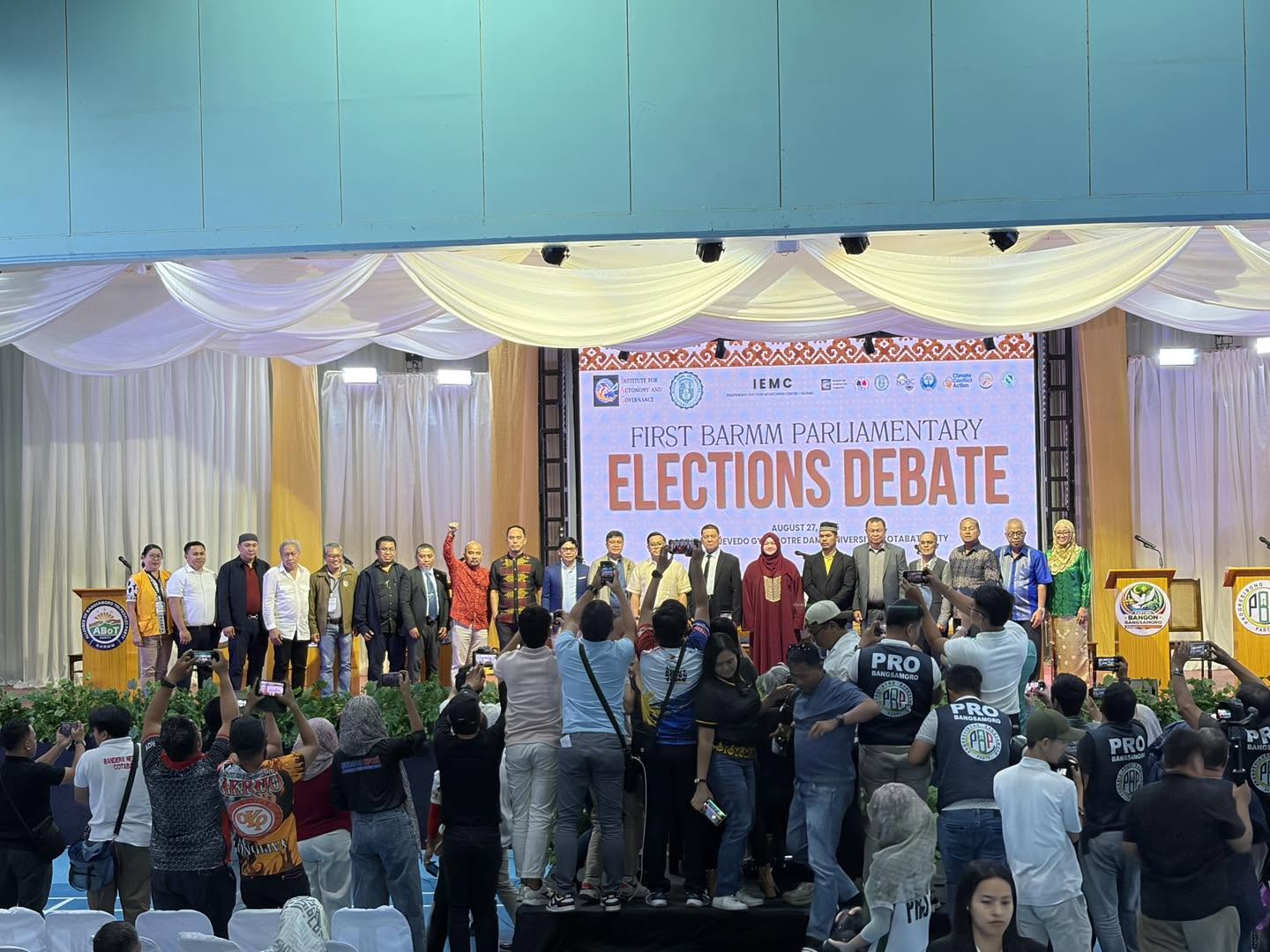
Good governance emerged as the top priority among stakeholders who participated in an exit poll conducted by the Institute for Autonomy and Governance during the First BARMM Parliamentary Elections Debate on August 27, with voters also identifying education and poverty as the most pressing issues facing the region.
Read more: Good Governance Tops Voters’ Priorities in IAG Debate Exit Poll
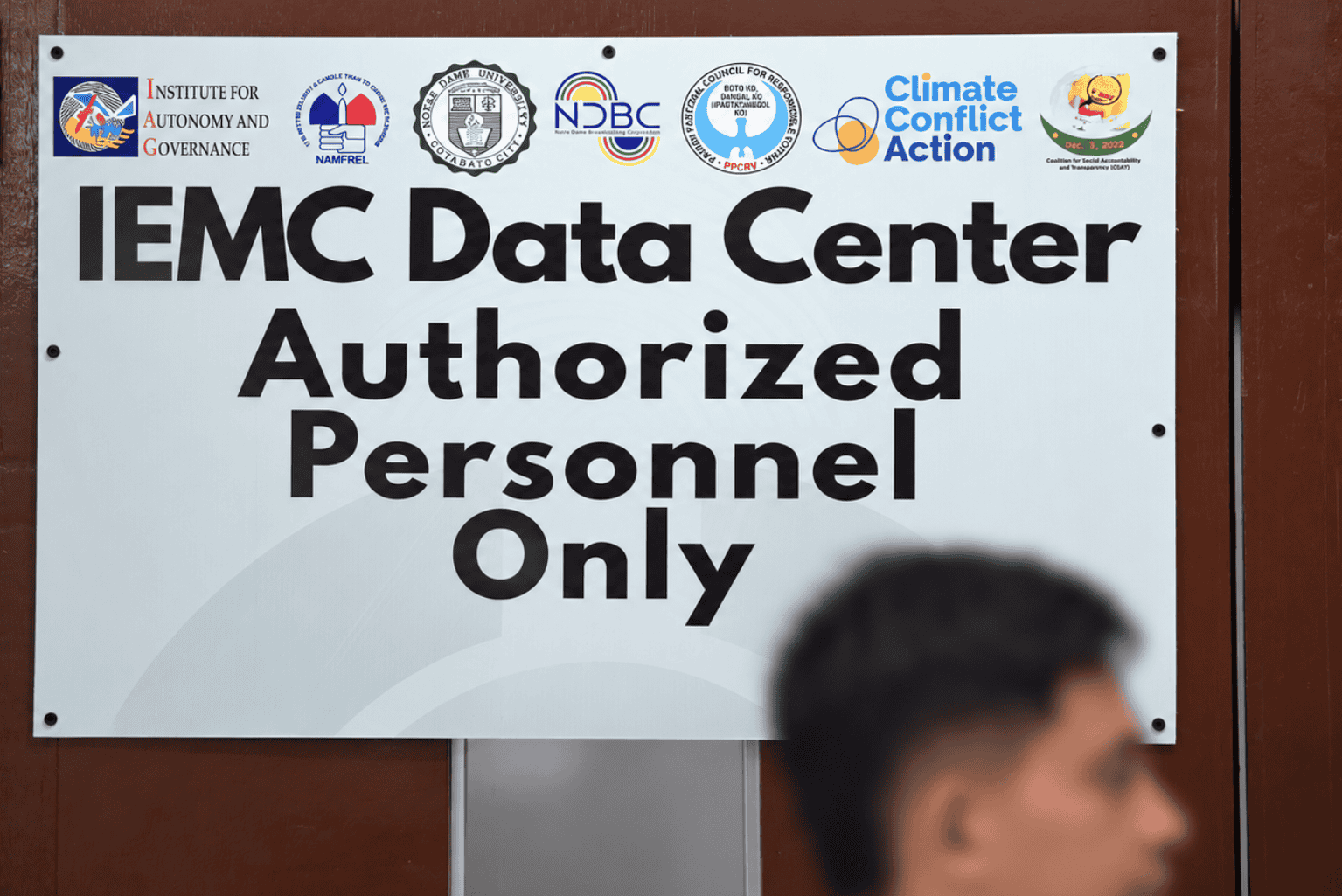
Independent coalition deploys ground monitors and a dedicated digital monitoring operation ahead of the September 14 vote for the region's first-ever Bangsamoro Parliament

Thirteen political parties vying for seats in the Bangsamoro Parliament will face off — and face the public — this Thursday, August 27, in a live debate running from 1:30 to 5:00 p.m. The event will be livestreamed on the Facebook pages of the Institute for Autonomy and Governance (IAG), the Notre Dame University (NDU), and the Independent Election Monitoring Center (IEMC).
Read more: What to Expect at the BARMM Parliamentary Elections Debate on August 27